Charles Haddon Spurgeon: The Prince of Preachers?

Originally published July 29, 2013
“The problem is the fusing of law and grace, not election. People on both sides of that argument can fuse law and grace together and often do….Notice that who does the work is not the issue. Work period is the issue.”
Protestantism is the foundation of the American church. Our heroes of the faith are those who protested Rome but never left Rome. Augustine, Luther, and Calvin merely believed they could do Rome better. Luther and Calvin in particular were fed-up with the popes and gave birth to a resurgence of Plato’s moral tyranny. The popes were in the tyranny business for money and the fulfillment of sinful desires; the Reformers were in the tyranny business for the glory of God. Their mentor, Augustine, boldly proclaimed that the Bible was useless without Plato’s insight and proclaimed Plato a pre-Christian Christian.
Plato’s philosophical principles and anthropomorphic presuppositions laid the foundation for every political and religious caste system in Western culture. Plato’s DNA is in every tyrant ever born in the West whether political or religious. His philosophy lives in both anemic form and viral, fleshing itself out in either philosophical capitulation or the zealot’s bloody axe. Only God knows the number buried in that landfill named, “The Traditions of Men.”
During the first advent, Christ spoke often of two concerns: the traditions of men and antinomianism. Anti-law of God is made possible to the degree that the authority of men usurp the authority of God’s word. Tradition is powerful and often relegates truth to a metaphysical anomaly. Such is the case with American religious heroes. Their stardom defies logic and truth. While Americans shake their heads in disbelief at documentary films that show Hitler pontificating to swooning masses, we celebrate the Pilgrim Puritans who hung Quakers and baptized women in waters of death. Tradition knows no limits in regard to hypocrisy and ignorance. Better to skim the Cliff Notes of tradition than to suffer a possible stroke by the exercise of thinking.
Calling Charles Haddon Spurgeon the “Prince of Preachers” is perhaps the grandiose example of illogical tradition. Spurgeon was a shameless Calvinistic hack. He once said,
There is no such thing as preaching Christ and Him crucified, unless we preach what nowadays is called Calvinism. It is a nickname to call it Calvinism; Calvinism is the gospel, and nothing else.
The most inconvenient thing ever for admirers of Spurgeon is the truth. He constantly disregarded the plain sense of Scripture, though eloquently. While comparing Augustine and Calvin to the apostle Paul in the same sermon (A Defense of Calvinism), any concern for Paul’s warning of being a proponent of a doctrine named after a man was totally disregarded by Surgeon in open defiance to the truth (1COR 3:1-9).
But the fundamental problem is the fact that Calvin taught a blatant false gospel. He believed that grace was not possible unless Christ fulfilled the law for us (CI 3.14.9-11). He believed that Christians are still “under law” which is the very definition of a lost person in the book of Romans and the premise for Calvin’s total depravity.
Hence, Christians remain under the law for justification and must live their Christian lives by faith alone in order to keep their salvation. If Christians live by faith alone in sanctification, the perfect obedience of Christ is perpetually imputed to us and we remain saved. Of course, this requires a complex doctrinal judgment in regard to what is works in sanctification and what is not a work in sanctification in order to live our Christian lives by faith alone resulting in the maintaining of our salvation. This is the very reason for the anemic sanctification that has plagued Protestantism for centuries. We either throw Law out the window completely, or live in fear regarding what is a work and what isn’t a work in our Christian lives lest we find ourselves in “works salvation.”
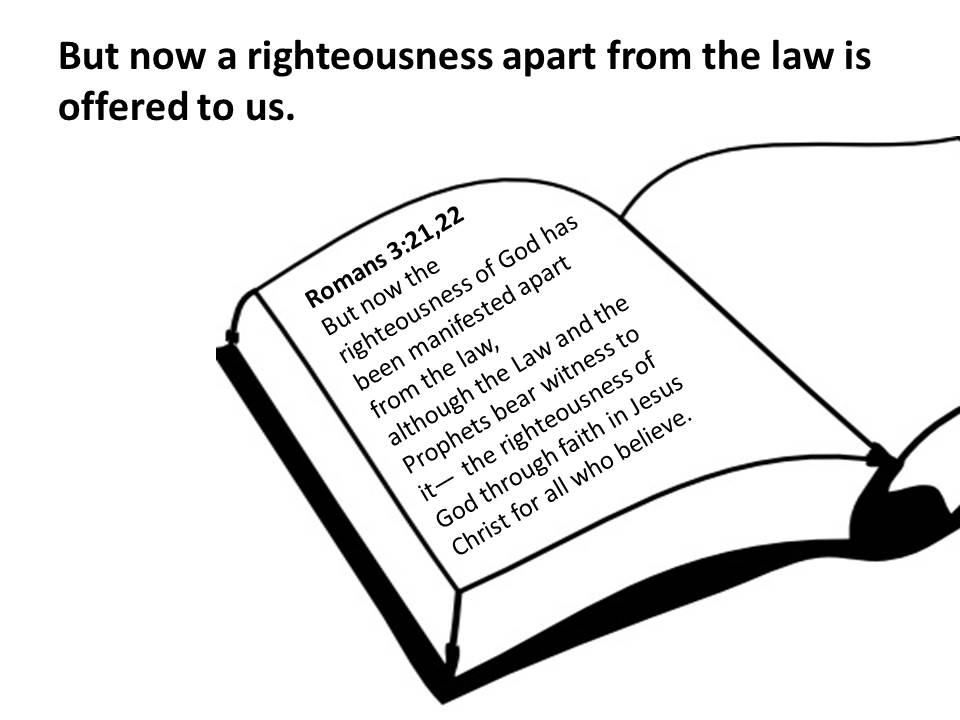
The problem is the fusing of law and grace. Not election. People on both sides of that argument can fuse law and grace together and often do. Unbelievers are “under law” while believers are “under grace.” We are justified APART from the law (ROM 3:21). Christ didn’t come to fulfill the law FOR OUR JUSTIFICATION; He came to die for our sins so that a righteousness APART from the law could be credited to our account. If Christ had to fulfill the law…. for our justification, law is still the BASIS for our justification and justification is then NOT OF GRACE. The basis of our justification is not law, we are rather UNDER GRACE. This is what the apostle Paul wrote:
Romans 11:6 – But if it is by grace, it is no longer on the basis of works; otherwise grace would no longer be grace.
Notice that who does the work is not the issue. Work period is the issue. The BASIS of grace is the issue here, and if the basis of grace is works it is no longer grace. If Christ had to keep the law for us to make grace possible, according to Paul, grace is no longer of grace. To the contrary, Paul states that Christ came so that he could fulfill the law through us in sanctification completely separate from justification:
Romans 8:1 – There is therefore now no condemnation for those who are in Christ Jesus. 2 For the law of the Spirit of life has set you free in Christ Jesus from the law of sin and death. 3 For God has done what the law, weakened by the flesh, could not do. By sending his own Son in the likeness of sinful flesh and for sin, he condemned sin in the flesh, 4 in order that the righteous requirement of the law might be fulfilled in us, who walk not according to the flesh but according to the Spirit. 5 For those who live according to the flesh set their minds on the things of the flesh, but those who live according to the Spirit set their minds on the things of the Spirit. 6 For to set the mind on the flesh is death, but to set the mind on the Spirit is life and peace. 7 For the mind that is set on the flesh is hostile to God, for it does not submit to God’s law; indeed, it cannot. 8 Those who are in the flesh cannot please God.
Notice that a perfect keeping of the law is not required for us in sanctification to please God for justification. Why? Because the two are separate and there is no law in justification for the believer. The two are separate. We are saved apart from the law for justification and the law informs our sanctification (ROM 3:21, GAL 4:21). Calvinism propagates a grace based on works. Its consummation is an antinomianism where Christ must keep the law for us because we are unable to please God through the perfect fulfillment of it in our Christian lives—perfection as a goal not withstanding in sanctification, but not for justification. According to Calvinism, we have no faith that is alive; we are still dead in our trespasses and sins. It is of the variety that separates us from the fulfillment of the law in sanctification as well. Only Calvin was genius enough to devise a doctrine that combined the best of works salvation and antinomianism.
Only truth sanctifies (John 17:17). The idea that Spurgeon ever helped anyone with his preaching is an illusion grounded in the traditions of men.
paul

How to Lead a Calvinist to the Lord
Originally published June 28, 2013
“What imperils the Calvinist soul is a fundamental anti-biblical view of the law. They must be shown the new way of the Spirit.”
Know Calvin’s Gospel
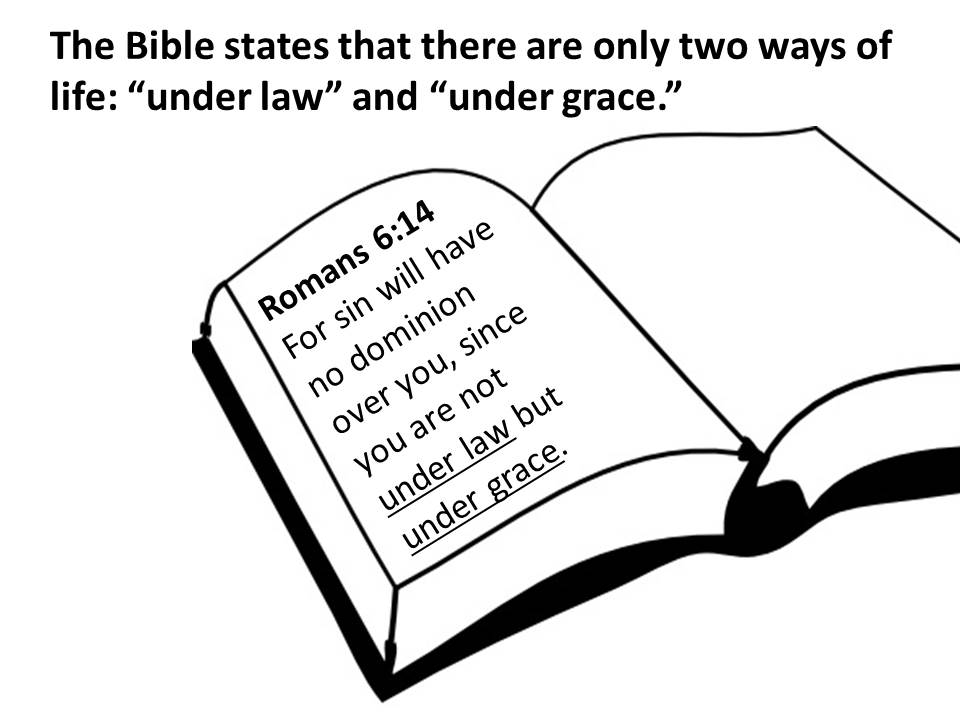
Calvinism is a false gospel that imperils the soul. The apostle Paul made it clear in Romans that there are only two people groups in the world: those under law, and those under grace (ROM 6:14). The lost and the saved. Calvinists declare themselves to be under law. They try to get around this by saying you can be under law and under grace both, but such is not the case. They say it is ok to be under law and covered by grace if we live by faith alone in sanctification; or, living by the same grace that saved us. The whole, “We must preach the gospel to ourselves every day” is indicative of where they stand on law and grace. According to their other gospel, we need the same grace that saved us every day for one reason and one reason only: we are supposedly still under law. Certainly, all people live under the grace of God whether saved or unsaved—we are addressing the grace that saved us initially.
Calvinists use the book of Galatians in an effort to make the opposite point; supposedly, the Galatians were putting themselves under law by attempting to please God in sanctification by keeping the law. Hence, in the Calvinist mind, attempting to keep the law in sanctification is the same thing as trying to keep the law for our justification—they are still under it accordingly….for justification….IN sanctification. In other words, a demand for perfect obedience to the law in sanctification is still the standard to maintain justification. This was Paul’s actual beef with the Galatians: that the law was still a standard for maintaining their justification. The Galatians were adding law to grace in order to maintain grace. So, instead of the law informing their sanctification, they were putting themselves back under the law to maintain justification. That’s why Paul wrote the following to them:
Galatians 4:21 – Tell me, you who desire to be under the law, do you not listen to the law?
Paul continues from there to drive home the point that justification is a settled issue and obligation to the law is separated from it. We are obligated to listen to the law for sanctification, but there is no longer any law obligation to our justification. To say that justification has to be maintained by perfect law-keeping is to be under the law. The Galatians were being taught that rituals such as circumcision completely satisfied the law. But again, being under law is the point here. That is why Paul stated the following:
Galatians 5:2 – Look: I, Paul, say to you that if you accept circumcision, Christ will be of no advantage to you. 3 I testify again to every man who accepts circumcision that he is obligated to keep the whole law. 4 You are severed from Christ, you who would be justified by the law; you have fallen away from grace.
The Galatians were being taught that circumcision satisfied all of the requirements of the law for justification. This led to an antinomianism in sanctification because in these systems there is no distinction between hearing and doing the law in sanctification and the laws relationship to justification. For the unbeliever, the law is the standard for justification because unbelievers are under the law. Christians are under grace and not under the law, so the law has no relevance to their justification. Paul was simply telling the Galatians that if they are under the law, they are obligated to keep all of it for justification. Circumcision or any other ritual does not satisfy the law.
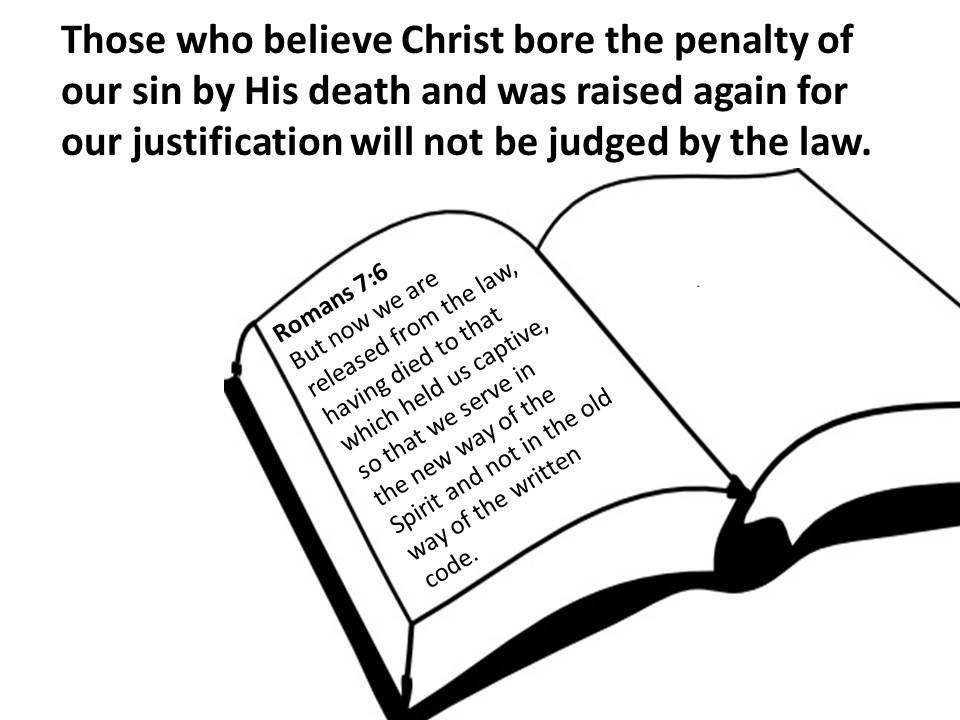
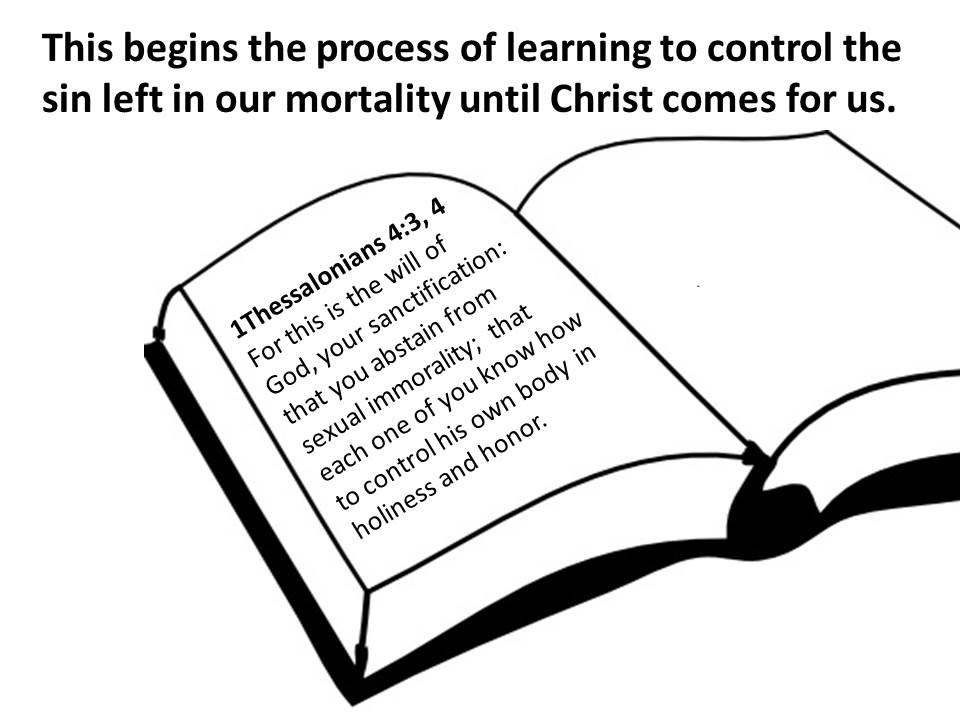
Paul states that we are not under law because the old us that was under the law is dead (ROM 7:1-11), and therefore, the law cannot judge the sins of our mortality (Rom 3:19, 7:8,9). But on the other hand, we are enslaved to the law in sanctification (Rom 8:7,8). Even though we cannot keep it perfectly due to our present mortality, we are enslaved to it and nonetheless strive to keep it in our sanctification. The law was never fulfilled to maintain our justification because there is no law in justification. The law is fulfilled through us in sanctification (ROM 8:3,4). Christ’s death separated the law from justification in the same way that a spouse is no longer under a marriage covenant when the other spouse dies (ROM 7:1-3).
This excludes the necessity for perfect law-keeping in sanctification. Christ accomplished this through His death, not keeping the law for us in sanctification. Calvinists call this, “Christ 100% for us.” Christ’s perfect law-keeping is a given by virtue of who He is and not because perfect law-keeping was part of the Abrahamic covenant of promise which occurred 430 years before the law (GAL 3:17,18).
Which Brings Us to Calvin’s Galatian Error
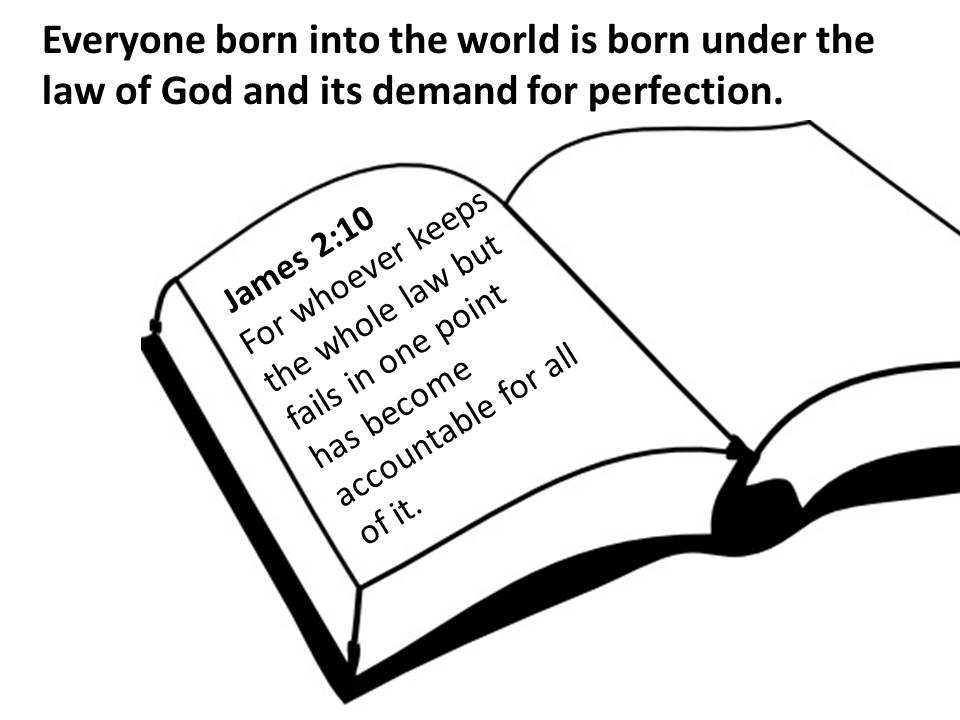
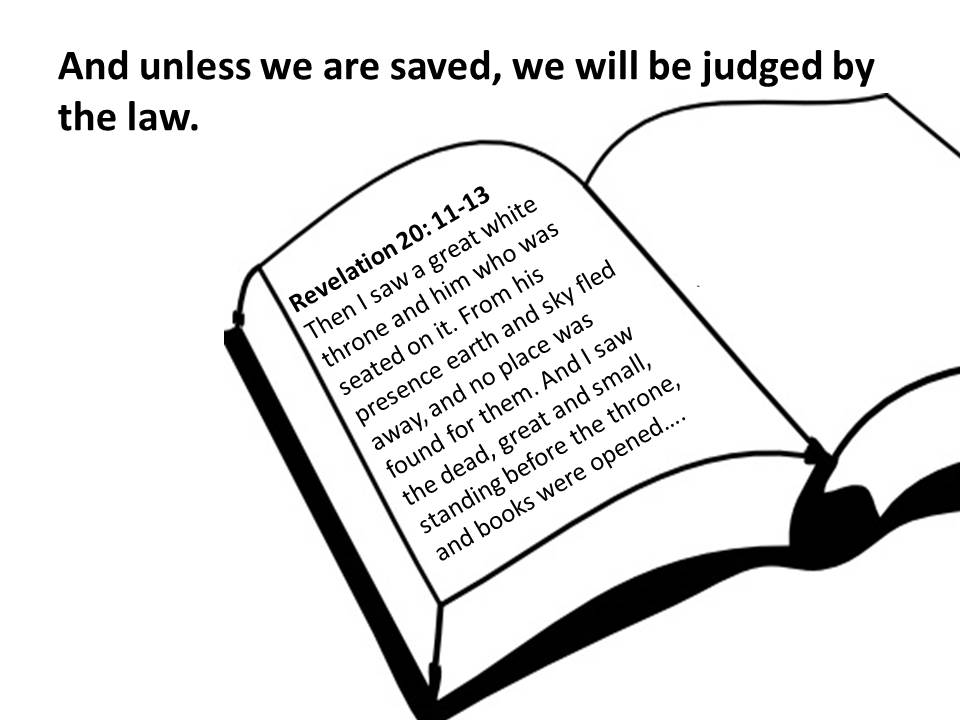
No works salvation system ever promotes a perfect, intelligent obedience to the law. It posits activity on our part that imputes something that counts for a perfect keeping of the law to maintain our salvation. This always leads to antinomianism because a ritual replaces actual law-keeping. Those under grace strive to please God by law-keeping because they are enslaved to the law, but on the other hand, perfection is not the standard because they are hindered by mortality (ROM 8:3,4) and the law can’t judge them because they are no longer under it (ROM 3;19). They are enslaved to it for sanctification, but not under it for justification. Those under grace are enslaved to the law but will not be judged by it; those under law are enslaved to sin and will be judged by the law. The Bible has an awesome way of stating this: those under the law violate it at all points by one sin; those under grace fulfill the law by loving their neighbors and God. The enslavement hindered by the weakness of the flesh fulfills the law in sanctification.
Calvin’s error/false gospel merely replaced the ritual of circumcision with daily re-salvation for the atonement of sin and the perpetual imputation of Christ’s perfect law-keeping for sanctification in order to maintain our justification (Calvin Institutes: 3.14.9-11). “We must preach the gospel to ourselves every day” is a ritual that imputes Christ’s perfect obedience to our sanctification in order to maintain our justification. This was also the fatal error of the Pharisees who replaced the law of God with their traditions and thus, “you have made void the law of God” (MATT 15:6 [most translations : “set aside” and “commandments”). The law is void for justification (the dead letter and covenant of death), but not sanctification.
Therefore, Calvinism keeps the “believer” under the law for justification leading to antinomianism in sanctification because Christ is 100% for us and keeps the law for us in sanctification in order to maintain our just standing. This is well exemplified via the following tweet by a well-known Calvinist:

This was the same result at Galatia as well:
Galatians 5:7 – You were running well. Who hindered you from obeying the truth?
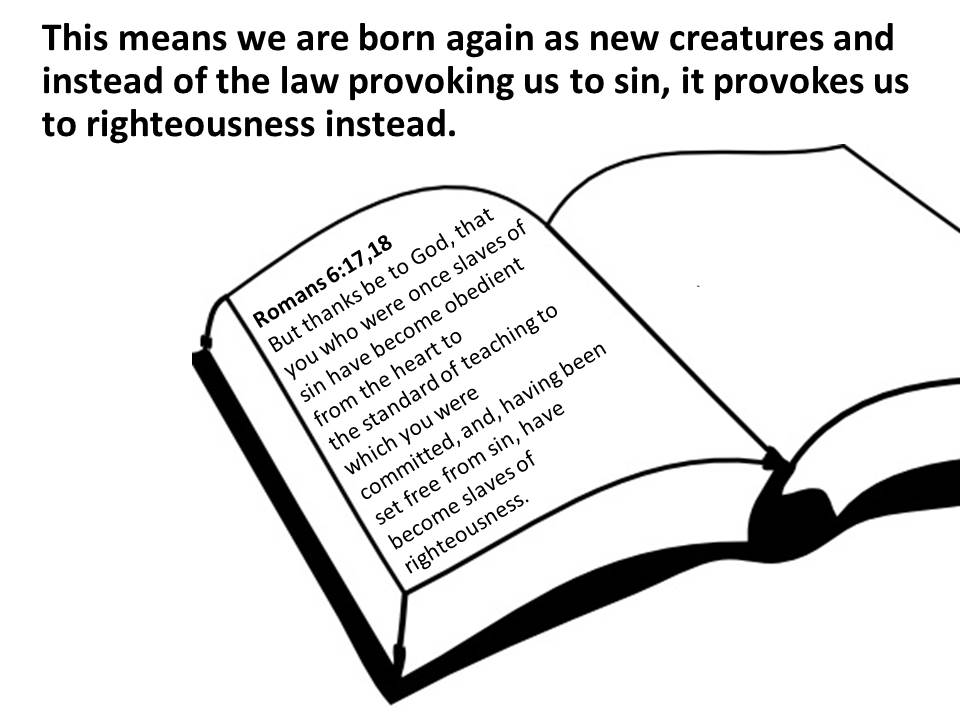
This rejects the believer’s hindered enslavement to the law in sanctification and only leaves one other alternative: under the law. For all practical purposes: lost. Therefore, the Calvinist must be informed that he/she is still under the law and trusting in a false gospel. What imperils the Calvinist soul is a fundamental anti-biblical view of the law. They must be shown the new way of the Spirit.
Let me recommend that you then teach them through the following booklet (Click on images to enlarge if necessary):




Dr. James White (Calvinist) and Dr. David Allen (Arminian) Keep the Christian Herd Calm While Vying for the Mutton
Originally published December 5, 2013
“Based on the Calvin Institutes 4.1.21,22 alone, how could Dr. Allen say, ‘I do not consider it to be outside the boundaries of orthodox Christianity.’ Does this speak to the condition of American seminaries in general; the brain trust thereof are this clueless? I think it does. Christians are paying thousands of dollars to be educated by theological morons.”
There may be something to Socrates’ theory of intuitive knowledge. I have always suspected that the church is crippled by spiritual caste, but today’s events revealed to me that Protestantism is spiritual caste on steroids. I knew it, but now I really know it. Now I see it clearly.
I have been perplexed for some time over the Arminian/Calvinism debate that Christians never seem to tire of. The reason this is perplexing to me follows: Calvinism is clearly a false gospel. For four years, I tenaciously mapped the history and doctrine of New Calvinism. New Calvinists claim that they are returning authentic Calvinism to the church, a claim that I planned on addressing in volume two of The Truth About New Calvinism. In preparation for volume two, I consulted with church historian John Immel. When I showed him my New Calvinist map, he in essence said, “Yes, that looks an awful lot like what Luther and Calvin believed. I would read the Calvin Institutes.”
And that I did. To my utter shock, I learned that the Calvin Institutes are no more or no less than the New Calvinist playbook. I also learned some other interesting things about Calvinism. In the Calvin Institutes 4.1.21,22, Calvin states in no uncertain terms that Christians need a daily re-forgiveness of sins in order to remain saved, and that forgiveness can only be found in the institutional church under the authority of pastors. He also wrote that pastors are granted authority to forgive sins of condemnation by proxy. Truly, the Institutes are chock full of anti-biblical ideas and outright heresy.
Election versus freewill; Calvinism has been hiding behind this silly debate for more than 500 years while Calvinism is a conspicuous false gospel A-Z. The other day, I was sent some videos that pertained to Dr. James White’s objection to this year’s John 3:16 Conference. Here is what the Baptist Press said about the conference:
While stressing that the discussion between Calvinists and non-Calvinists in the Southern Baptist Convention is a family matter, speakers at the 2013 John 3:16 Conference outlined the differences between the two views and what they believe to be the issues hindering unity among Southern Baptists.
Frank Cox, pastor of North Metro Baptist Church in Lawrenceville, Ga., which hosted the conference on March 21-22, told attendees that the event would help them “engage in the conversation going on across the nation and the Southern Baptist Convention.”
When I saw Dr. White’s critique of the conference, and other videos that in fact showed the ignorance that was on display at the conference and thereby making White look good, I decided to venture back into the arena of public debate. I contacted White’s ministry, Alpha and Omega, and received this reply:
Paul,
1. Could you please direct me to any of your published work on the subject?
2. Could you provide me with your credentials (training, degrees, etc.).
3. What work of Dr. White are you familiar with? Please list his books and debates that you have watched, read and perhaps even commented on.
4. I would especially be interested in any publications or sermons where you exegete, at the very least, Genesis 50:15-21, John 6:37-45, Romans 1-3 and all of Romans 9.
The following was my reply:
1. Yes, until 2012, I was the only author to publish a book on the contemporary history and doctrine of the Neo-Calvinist movement. In 2012, a work by Dr. Robert R. Congdon cited my book six times, and referred to it indirectly in several other places. Reviews of my book can be found at The Truth About New Calvinism .com. Volume 2 is in process, and the only book to date that documents the resurgences of authentic Reformed doctrine since Calvin’s oversight of Geneva. It also documents the antinomian controversies between redemptive historical Calvinists and grammatical historical Calvinists. Furthermore, the book will document the specific influences of Neo-Platonism on Calvin’s theology.
I am the only contemporary author to write a book that challenges the Reformation’s justification by faith alone as a works salvation: False Reformation: Four Tenets of Calvin and Luther’s False Gospel, TANC Publishing 2012. It focuses on progressive justification, the fusion of justification and sanctification, Calvin and Luther’s view of the new birth, their methods of interpretation, and the total depravity of the saints. It does not address the doctrine of election as that subject gets the cart before the horse in regard to soteriology.
Besides, it is my contention that Calvinists don’t really believe in election to begin with. They believe election enters you into a faith alone race in which you have to persevere by faith alone in order to keep yourself saved. In essence, a perpetual re-salvation through the process of mortification and vivification that makes the Christian life an experience, and not a work. This leads to an ambiguity regarding assurance that was an Augustinian hallmark. Everyone stands in one last judgment waiting to see if they lived the Christian life by faith alone adequately enough to avert “making sanctification the ground of our justification.”
I have also written a book (“Pictures of Calvinism”) that addresses the Reformed doctrine of the centrality of the objective gospel outside of us and its supposed application to life.
In addition, I have done research for the Institute of Nouthetic Studies and The Journal of Modern Ministry in response to their requests.
2. Credentials other than being Spirit-filled? Sure. I was a proponent of Reformed theology for 20 years, and a Reformed pastor for five. I was a pastor in Dallas TX, and am presently a pastor in Xenia, Ohio. For whatever it is worth, I have attended several Bible colleges and plan to obtain a degree sometime next year. I am also a certified biblical counselor.
3. I have watched several of Dr. White’s debates via video. The one that incited my goal here was in regard to the John 3:16 Conference. Though public debate is not my forte, I am compelled because Dr. White is right: their arguments against Calvinism are utterly pathetic.
4. I am presently preaching through the book of Romans, and the first eight chapters are published: “The Gospel: Clarification in Confusing Times.” You can peruse the archives here: https://paulspassingthoughts.com/the-potters-house/ We are in chapter 12.
In backing out of the debate, here was their excuse coming from the president of Alpha and Omega:
Paul,
Thank you but I don’t believe that we would have an interest in a debate at this time. Your focus of work seems to be in the area of Calvin and the history of the Reformation which is not something that we have ever pursued as a primary debate topic. Further, we do scholarly work here and after having been accused of ‘picking the low hanging fruit’ on numerous occasions by arminians we have simply raised the bar for the qualifications of our opponents. When you can show me that you have formal training in Greek, Hebrew and Systematic Theology at the very least I will be happy to reconsider whether we could find a topic of interest in common. Further, such a debate would need a primary focus on the scriptures with history being secondary for us to have any interest.
Blessings,
Rich Pierce
Alpha and Omega Ministries
Let me make a point here Mr. and Mrs. Average Joe parishioner. When you go to your pastors with a concern, in the vast majority of circumstances, this is how they see you: unknowledgeable in systematic theology, Greek, and Hebrew, and uncertified by a Protestant philosopher king institution. While they put on their I am really concerned and respect your spiritual intellect look, they are thinking, “Dude, just shut up and tithe your ten percent—you’re clueless.”
By the way, while these guys claim no interest in history, it would do them some good to know that the father of Reformation doctrine, St. Augustine, was not the least bit studied in Hebrew or Greek. And certification? He was a Catholic till the end. Would James White refuse a debate with St. Augustine based on academic credentials?
While I was waiting for the White camp to respond, I sent this email to one of the Arminian philosopher kings who spoke at the John 3:16 conference:
Dr Allen,
Greetings. My name is Paul Dohse and I work with a nonprofit LLC that researches Reformed theology and the Neo-Calvinist movement in particular. I published the first book on New Calvinism in 2011, and that book culminated four years of research. The only other work published on this subject followed a year later, and was written by Dr. Robert Congdon. He cited our work (“The Truth About New Calvinism” volume 1) extensively in his book, “New Calvinism’s Upside-Down Gospel.”
I have also published the first outright challenge to Calvin’s soteriology in “False Reformation: Four Tenets of Luther and Calvin’s Egregious False Gospel.” The book contends that Calvin propagated progressive justification, a denial of the new birth, the idea that justification is predicated on a perpetual perfect keeping of the law by Christ in the believers stead (a law that can give life for justification), and the idea that Christians must keep themselves saved by preaching the gospel to themselves every day.
In light of this, I would like to interview you in regard to your comments during the John 3:16 conference Q&A; specifically, to a couple of young men arguing for separation from Calvinists in the SBC. My blog usually conducts these interviews by videotaping me talking to the participants over the telephone, preferably a landline.
Thank you for your consideration,
Paul M. Dohse
TTANC LLC
Here was his response:
Paul,
Thank you for the invitation, but I must respectfully decline. While I strongly disagree with many aspects of Calvinism, I do not consider it to be outside the boundaries of orthodox Christianity (hyper-Calvinism excepted).
Sincerely,
David L. Allen, Ph.D.
Dean | School of Theology
Southwestern Baptist Theological Seminary
Let us ponder the possibilities:
1. None of these people have ever read the Calvin Institutes while holding conferences and posing as experts on the subject.
2. They know what Calvin believed, but they don’t want to spook the herd for financial reasons.
Based on the Calvin Institutes 4.1.21,22 alone, how could Dr. Allen say, “I do not consider it to be outside the boundaries of orthodox Christianity.” Does this speak to the condition of American seminaries in general; the brain trust thereof are this clueless? I think it does. Christians are paying thousands of dollars to be educated by theological morons.
Moreover, on the Arminian side, it is the same. Notice how Dr. Allen summarily dismissed my assertions about Calvinism without a shred of curiosity. Why? See the Alpha and Omega Ministries reply—same reason. So, likewise, even if you are a theologically accomplished layperson, and you have a discussion with one of these Arminian guys, the result is the same:
While they put on their I am really concerned and respect your spiritual intellect look, they are thinking, “Dude, just shut up and tithe your ten percent—you’re clueless.”
Be not deceived, whether Calvinist or Arminian, they both have the same goal: don’t spook the herd. It is a spiritual caste system rivaled by none. Rather than teaching you theology, they banter back and forth to keep you confused, and controllable.
“After all,” says their fears, “if the herd can understand theology, what would they need us for?”
paul
It’s Not About Truth and it Never Was.
Paul M. Dohse
TTANC L.L.C.
PO Box 583
Xenia, Ohio 45385
To Dr. Walter Price and the Board of Trustees of Southern Seminary:
Gentlemen,
It is no surprise that truth is of low value in our day; the apostle Paul informed Timothy that in the latter days people would not tolerate sound doctrine, and we are in those days. Hence, there are no expectations in regard to this letter, but nevertheless, it is a duty to proclaim the truth.
Southern Seminary now offers academic credits for attending seminars at conferences sponsored by various organizations connected with the present-day resurgence of authentic Calvinism. Though the traditions of men and antinomianism was of primary concern as stated by Christ during His earthly ministry, the evangelical academia of our day follows the crowds in wholesale acceptance of any doctrinal name brand that sells.
This blitzkrieg of resurgent conferences targets youth specifically. The resurgence seeks to turn a whole generation of youth to this doctrine. This represents the future of the American church. Evangelicals, and its academia in particular, seem indifferent to the gravity of future accountability attached to this reality.
Our organization researches the Calvin Institutes, and the trustees of Southern Seminary would do well in following our example rather than the opinions of men like Albert Mohler. Calvin’s gospel, as stated in the Institutes, is a call to keep ourselves saved through the practice of antinomianism, and has a distinctive Gnostic application. It is works salvation by Christ plus antinomianism, and reduces obedience to only experiencing the imputation of Christ’s perfect obedience to the Christian life. An example of this would be on page 215 in How People Change (2006), a book written by Paul David Tripp, a speaker at the recent Cross Conference endorsed by Southern Seminary. He states the following:
When we think, desire, speak, or act in a right way, it isn’t time to pat ourselves on the back or cross it off our To Do List. Each time we do what is right, we are experiencing what Christ has supplied for us. In Chapter 11, we introduced some of the fruit Christ produces. We will expand the discussion here.
Calvin, as well as Luther, believed that all reality is interpreted through the works of Christ in the gospel, or the “objective” gospel and the imputation of those works are experienced “subjectively” in order to remove our works from sanctification. Hence, “the subjective power of an objective gospel” and other such mantras often heard among evangelicals today. This necessitates, in a manner of speaking, interpreting every verse in the Bible as a justification verse; i.e., “Biblical Theology,” a buzz word at Southern. This way of interpreting the Bible was introduced by Christian mystic Geerhardus Vos circa 1938.
Calvin also redefined the new birth as an experience of perpetual rebirth in order to keep ourselves saved by the same gospel that originally saved us. So, the new birth is not a one-time event, it is a perpetual cycle of the same repentance and new birth experience that originally saved us—that’s why we must, “preach the gospel to ourselves every day.” This is the doctrine of mortification and vivification. It is part of Calvin’s systematic theology. This is factually indisputable. The Christian life focuses on our total depravity and repentance only, leading to the experience of vivification, or a joyful experience.
Therein, the human “heart” is redefined as something that is transformed only by its increased ability to experience vivification. This is why John Piper states that joy is essential to the Christian life; if vivification is not being experienced; perpetual rebirth is not taking place:
The pursuit of joy in God is not optional. It is not an ‘extra’ that a person might grow into after he comes to faith. Until your heart has hit upon this pursuit, your ‘faith’ cannot please God. It is not saving faith (Desiring God: p. 69).
Likewise, Southern Baptist Paul Washer states the following:
This cycle simply repeats itself throughout the Christian life. As the years pass, the Christian sees more of God and more of self, resulting in a greater and deeper brokenness. Yet, all the while, the Christian’s joy grows in equal measure because he is privy to greater and greater revelations of the love, grace, and mercy of God in the person and work of Christ. Not only this, but a greater interchange occurs in that the Christian learns to rest less and less in his own performance and more and more in the perfect work of Christ. Thus, his joy is not only increased, but it also becomes more consistent and stable (Paul Washer:The Gospel Call and True Conversion; Part 1, Chapter 1, heading – The Essential Characteristics Of Genuine Repentance, subheading – Continuing and Deepening Work of Repentance).
The new birth is redefined as a “cycle” rather than a one-time event like our physical birth. It is redefined as a perpetual rebirth experience as we focus on our saintly total depravity. We are only righteous positionally; regeneration is a mere experience of Christ’s perfect obedience to the law. This not only keeps Christians under law, but inadvertently calls for a rejoicing in our own supposed total depravity.
This is why authentic Calvinism dies a social death within Christianity every 100 years or so. God’s people eventually catch on to the fact that it is a false gospel. Lighter forms of it survive the rejection while maintaining the label. We are presently within the fifth resurgence since Calvin’s Geneva, and the trustees of Southern are mindless participants accordingly.
We had the wonderful privilege of meeting many, many young people at the recent Cross Conference where you promoted this false gospel. We realize that there will only be a remnant that loves the truth enough to reject this latest academic novelty. But this is a generation of young people capable of great things, and smart enough to know that they only need God Himself to accomplish His mission. We believe that American Christianity has become a mission field in and of itself; namely, YOUR resurgence movement, a movement that bears your name, and we are seeking to reach that remnant of God that loves His truth. This is our duty and calling. A gospel promoting a justification that is not finished cannot save.
Meanwhile, as stated by the apostle Paul, let those who teach another gospel be accursed whether they be angels or men of renown.
Because only truth saves and sanctifies,
Paul M. Dohse
John 17:17
Matthew 4:4

 Paul's Passing Thoughts
leave a comment