Another Purpose for Preaching the Gospel to Ourselves: Perpetual Death and Rebirth in Sanctification
 Here at PPT and TANC we like to learn new things, especially in regard to Calvinism and Reformed theology. Recently, we have discovered another purpose behind “preaching the gospel to ourselves every day.” The Reformed term for it is, mortification and vivification. What’s that? It is the perpetual subjective experience of death and rebirth in sanctification. As we use the Scriptures to gain a deeper and deeper understanding of our wickedness, we experience a mourning over our vile condition (death) resulting in joy (rebirth). This passive “subjective experience” enables us to live our Christian life by the same gospel that saved us. Who knew? Truly, in regard to creepiness, Calvinism is the gift that keeps giving and giving.
Of course, this approach is necessary so that we can continually live our Christian lives by faith alone because in Calvinism one is still under the law and in constant need of atoning and re-salvation. This perpetual death and rebirth imputes the perfect obedience of Christ to our justification in sanctification and the law is satisfied. It’s sanctification with two squirts of Hinduism.
We see the premise of this idea in Luther’s Heidelberg Disputation (Thesis 16, 17), and John Piper’s Christian Hedonism. Piper is adamant that joy is continually evidenced in a Christian’s life as proof of salvation. Right, because the perpetual baptism of death and resurrection must experience the exultation of resurrection and not just death. A melancholy Christian is a half gospel that is only death; resurrection must follow for the perpetual cycle to be valid. Michael Horton sates it this way in his book on systematic theology:
Progressive sanctification has two parts: mortification and vivification, “both of which happen to us by participation in Christ,” as Calvin notes….Subjectively experiencing this definitive reality signified and sealed to us in our baptism requires a daily dying and rising. That is what the Reformers meant by sanctification as a living out of our baptism….and this conversion yields lifelong mortification and vivification “again and again.” Yet it is critical to remind ourselves that in this daily human act of turning, we are always turning not only from sin but toward Christ rather than toward our own experience or piety (pp. 661-663 [Calvin Inst. 3.3.2-9]).
Stay tuned as we gleefully serve you with stuff that is truly stranger than science itself.
paul
Sent by “Ghostwriter”: Recipe for a Hostile Takeover
Preamble: An anonymous person sent me the following satire of New Calvinist Ernest Reisinger’s article on how to take over a church covertly. Reisinger left the Earth in 2004. He was one of the forefathers of the present-day New Calvinist movement. I detail Reisinger’s departure from Presbyterian circles for the sole purpose of taking over the SBC with the Australian Forum’s doctrine in my fifteen-page addendum to The Truth About New Calvinism: Volume One (TANC Publishing 2011). Reisinger and his brother John were part of a small group of men associated with the Forum who believed that they had rediscovered the true Reformation gospel. And they were right. But key was the fact that they were also armed with the Forum’s brilliant systemization of the doctrine for contemporary consumption—a feat that has given New Calvinism its staying power.
This small group of men set the precedent and procedure for covert takeovers. The protocol was further articulated in Dan Southerland’s book, “Transitioning: Leading Your Church Through Change” (Zondervan 1999). Ghostwriter is a member of a church in America, which means that it is in the process of being taken over by New Calvinists or the takeover is complete; hence, good reason to remain anonymous because these guys will utterly ruin your life if you stand up to them. How? Well, for one, most American Christian wives just want to be a member of a church and enjoy the community of it without any controversy. It’s just the way Protestants have been programmed over the years. This is one of the points of exploitation, among many that are used. And unfortunately, a change of membership will more than likely find the same problem.
The only answer is to reject the New Calvinist premise altogether and come out from among them. Unfortunately, much more carnage will have to be displayed before that happens to any significant degree.
paul
Recipe for a Hostile Takeover
It’s the “Little Red Book” of hostile Reformed church takeover, publically available for all to see. (My italics are the satire, obviously)
“Therefore He says: “Awake, you who sleep, Arise from the dead, And Christ will give you light.”
“whose minds the god of this age has blinded, who do not believe, lest the light of the gospel of the glory of Christ, who is the image of God, should shine on them.”
_______________________________________________________________________________________________________
REFORMING A LOCAL CHURCH
STRENGTHEN THE THINGS THAT REMAIN
by Ernest C. Reisinger
Rev. 3:2
“Wake up! Strengthen what remains and is about to die…”
Rev. 3:4
“Yet you have a few people…who have not soiled their clothing.”
Chapter III
SOME PRACTICAL SUGGESTIONS FOR THE CONTEMPORARY SCENE- ( i.e. an unsuspecting, biblically sound free-grace preaching Church in need of radical reform )
Some who read this pamphlet are in, or will be in a reforming (hostile takeover) situation. And each situation has some different obstacles to deal with. The size of the church and the staff will make some difference in the approach as will the kind of membership, (discerning Christians- avoid these churches like the plague, or ripe-for-harvest mindless troglodytes already under the influence of Nicolaitanism, seek these for takeover) the spiritual caliber of the leadership (see above). I wish we had some little pamphlet with ten rules to success (we don’t now but one is probably forthcoming, every other dictatorship on earth has a pamphlet like the little red book, etc), but it is not that simple. There are not ten rules to guarantee success. There are some principles, however, that will always be helpful and will save some shipwrecks .
1. Don’t try any reformation until you have earned some spiritual credibility with the church (Pretend you are what you aren’t, hide your true views from the search committee and the congregation until you have suckered them in, be sure to throw in an old-time revival/gospel meeting every now and then to woo the wary).
2. The first suggestion is study the biblical principle of accommodation. There is a little pamphlet on this subject (The Principle of Biblical Accommodation as Applied to the Invitation System), (shows you how to pretend to be a free-grace preacher until you have your hand-picked elders and a quarter of the congregants under your sway) and an excellent message on tape by Thomas K. Ascol. This is available through The Christian Gospel Foundation, 521 Wildwood Parkway, Cape Coral, FL 33904, or Pastor Thomas K. Ascol, Grace Baptist Church, 204 SW 11th Place, Cape Coral, FL 33991.
3. Three questions should be asked, and carefully answered:
a) What is the right, biblical thing to do?
b) How should these changes be implemented?
c) When should they be implemented? Don’t try to do too much too soon. Many mistakes have been made by doing the right thing in the wrong way or at the wrong time (because even ignorant congregants were able to quickly see through the cloak.
4, The principle of priorities must be applied. You can’t change everything at once–first things first (go slow, it will take time to deceive).
5. The principle of two churches must be before us at all times.
a) The church as it should be, conceived from the scriptures (actually the Calvin Institutes, Westminster, various Baptist confessions of faith), in idealism–never abandon this.
b) The church as it is–the one you look at 11:00 on Sunday morning (you know, the one that has real people with real Scriptural beliefs in it?). One must realize that the two shall never meet on earth, but you will find joy and satisfaction in narrowing (weeding out the Arminian Free Grace miscreants) the difference between them, that is, when you see the one you look at on Sunday morning make some steps toward the (Calvinist) ideal one.
6. The principle of church membership. Don’t make church membership any narrower than the New Testament (suck in as many poor saps as you can before you uncork the bottle).
7. The principle of restraint. Don’t tackle the whole church at one time (this will never work for reasons stated above). Choose a few men who are sincere, teachable (unwary, biblically unlearned, unwilling to engage brains in coherent thought, nice guys but mindless) and spiritually minded (religious but not holding to any solid beliefs except that somehow Christ died for them) and spend time with them (indoctrinating them in your intellectually superior beliefs ) in study and prayer. They will help you to reform (because they don’t know any better). This principle is found in Titus 1:5: “For this cause left I thee behind in Crete, that thou shouldest set in order the things that are wanting and ordain elders in every city, as I had appointed thee.” Acts 14:23: “And when they had ordained them elders in every church, and had prayed with fasting, they commended them to the Lord, on whom they believed.” Acts 1 1:30: “Which also they did, and sent it to the elders by the hands of Barnabas and Saul.” Acts 20:17,28: “And from Miletus he sent to Ephesus, and called the elders of the church. Take heed therefore unto yourselves, and to all the flock, over which the Holy Ghost hath made you overseers, to feed the church of God, which he hath purchased with his own blood.” Don’t get bogged down with what you call these men until they are trained (indoctrinated)–they are called overseers–elders (putty in your hands, yes-men).
8. Don’t get hung up on secondary matters (like preaching the Gospel, helping the poor, widows in the congregation).
9. Don’t use theological language that is not in the Bible, in the pulpit, such as, Calvinism, reformed, doctrines of grace, particular redemption etc. (duh, these aren’t in the Bible for a reason, moron. We are trying to take over a church here, not preach the truth). Most people will not know what you are talking about (because it is not found in the Bible and any discerning Christian will throw you out on your ear if they hear these terms, indoctrinate them slowly with simplistic language).
10. Use sound literature, not indiscriminately, but wisely. Little things at first, that is, pamphlets and books with some doctrinal and experimental substance (written by John Piper, RC Sproul, perhaps Jonathan Edwards… Those first two are the most important).
11. Don’t use the pulpit to scold people. You cannot scold people into reformation (you can only trick them into reformation).
12. Exercise common sense (see above. Don’t be an impatient idiot and get yourself canned).
13. Depend on the only weapons we have: prayer, preaching and teaching (wielding the newfound power of your inner circle of yes-men).
14. Be sure that you understand the foundational doctrines and how they are related to each other and to your situation (you freakin well better have completely aced the TULIP test).
15. I would suggest that you check the history of your church in respect to early constitutions or declarations of faith. Often you will find, particularly, in older churches, a statement expressing the doctrines which you desire to establish (in other words a Church that has already tried reform theology but it blew up in their face, don’t worry, our new brand will work). A gracious appeal to this document will help to give you credibility, at least they will know that you are not coming from Mars (just from infiltrated seminaries completely out of touch with reality and the laity and completely under the influence of the doctrines of men). Hide behind these articles of faith (I can’t even think of anything sarcastic to say to this, can’t believe it is so blatant). Hide behind our Baptist fathers, such as Bunyan, Spurgeon, Fuller, Boyce, Dagg, Broadus, Manly, W. B. Johnson, R. B. C. Howell and B. H. Carroll (because they will love you if you quote their founding fathers until you are ready to reveal your true colors).
Most of these suggestions come from experience, and, she is a queer old teacher. She first gives you the test and then the lesson. Unlike other teaching (which relies on Scripture to give the lesson).
How to Lead a Calvinist to the Lord
“What imperils the Calvinist soul is a fundamental anti-biblical view of the law. They must be shown the new way of the Spirit.”
Know Calvin’s Gospel
Calvinism is a false gospel that imperils the soul. The apostle Paul made it clear in Romans that there are only two people groups in the world: those under law, and those under grace (ROM 6:14). The lost and the saved. Calvinists declare themselves to be under law. They try to get around this by saying you can be under law and under grace both, but such is not the case. They say it is ok to be under law and covered by grace if we live by faith alone in sanctification; or, living by the same grace that saved us. The whole, “We must preach the gospel to ourselves every day” is indicative of where they stand on law and grace. According to their other gospel, we need the same grace that saved us every day for one reason and one reason only: we are supposedly still under law. Certainly, all people live under the grace of God whether saved or unsaved—we are addressing the grace that saved us initially.
Calvinists use the book of Galatians in an effort to make the opposite point; supposedly, the Galatians were putting themselves under law by attempting to please God in sanctification by keeping the law. Hence, in the Calvinist mind, attempting to keep the law in sanctification is the same thing as trying to keep the law for our justification—they are still under it accordingly….for justification….IN sanctification. In other words, a demand for perfect obedience to the law in sanctification is still the standard to maintain justification. This was Paul’s actual beef with the Galatians: that the law was still a standard for maintaining their justification. The Galatians were adding law to grace in order to maintain grace. So, instead of the law informing their sanctification, they were putting themselves back under the law to maintain justification. That’s why Paul wrote the following to them:
Galatians 4:21 – Tell me, you who desire to be under the law, do you not listen to the law?
Paul continues from there to drive home the point that justification is a settled issue and obligation to the law is separated from it. We are obligated to listen to the law for sanctification, but there is no longer any law obligation to our justification. To say that justification has to be maintained by perfect law-keeping is to be under the law. The Galatians were being taught that rituals such as circumcision completely satisfied the law. But again, being under law is the point here. That is why Paul stated the following:
Galatians 5:2 – Look: I, Paul, say to you that if you accept circumcision, Christ will be of no advantage to you. 3 I testify again to every man who accepts circumcision that he is obligated to keep the whole law. 4 You are severed from Christ, you who would be justified by the law; you have fallen away from grace.
The Galatians were being taught that circumcision satisfied all of the requirements of the law for justification. This led to an antinomianism in sanctification because in these systems there is no distinction between hearing and doing the law in sanctification and the laws relationship to justification. For the unbeliever, the law is the standard for justification because unbelievers are under the law. Christians are under grace and not under the law, so the law has no relevance to their justification. Paul was simply telling the Galatians that if they are under the law, they are obligated to keep all of it for justification. Circumcision or any other ritual does not satisfy the law.
Paul states that we are not under law because the old us that was under the law is dead (ROM 7:1-11), and therefore, the law cannot judge the sins of our mortality (Rom 3:19, 7:8,9). But on the other hand, we are enslaved to the law in sanctification (Rom 8:7,8). Even though we cannot keep it perfectly due to our present mortality, we are enslaved to it and nonetheless strive to keep it in our sanctification. The law was never fulfilled to maintain our justification because there is no law in justification. The law is fulfilled through us in sanctification (ROM 8:3,4). Christ’s death separated the law from justification in the same way that a spouse is no longer under a marriage covenant when the other spouse dies (ROM 7:1-3).
This excludes the necessity for perfect law-keeping in sanctification. Christ accomplished this through His death, not keeping the law for us in sanctification. Calvinists call this, “Christ 100% for us.” Christ’s perfect law-keeping is a given by virtue of who He is and not because perfect law-keeping was part of the Abrahamic covenant of promise which occurred 430 years before the law (GAL 3:17,18).
Which Brings Us to Calvin’s Galatian Error
No works salvation system ever promotes a perfect, intelligent obedience to the law. It posits activity on our part that imputes something that counts for a perfect keeping of the law to maintain our salvation. This always leads to antinomianism because a ritual replaces actual law-keeping. Those under grace strive to please God by law-keeping because they are enslaved to the law, but on the other hand, perfection is not the standard because they are hindered by mortality (ROM 8:3,4) and the law can’t judge them because they are no longer under it (ROM 3;19). They are enslaved to it for sanctification, but not under it for justification. Those under grace are enslaved to the law but will not be judged by it; those under law are enslaved to sin and will be judged by the law. The Bible has an awesome way of stating this: those under the law violate it at all points by one sin; those under grace fulfill the law by loving their neighbors and God. The enslavement hindered by the weakness of the flesh fulfills the law in sanctification.
Calvin’s error/false gospel merely replaced the ritual of circumcision with daily re-salvation for the atonement of sin and the perpetual imputation of Christ’s perfect law-keeping for sanctification in order to maintain our justification (Calvin Institutes: 3.14.9-11). “We must preach the gospel to ourselves every day” is a ritual that imputes Christ’s perfect obedience to our sanctification in order to maintain our justification. This was also the fatal error of the Pharisees who replaced the law of God with their traditions and thus, “you have made void the law of God” (MATT 15:6 [most translations : “set aside” and “commandments”). The law is void for justification (the dead letter and covenant of death), but not sanctification.
Therefore, Calvinism keeps the “believer” under the law for justification leading to antinomianism in sanctification because Christ is 100% for us and keeps the law for us in sanctification in order to maintain our just standing. This is well exemplified via the following tweet by a well-known Calvinist:

This was the same result at Galatia as well:
Galatians 5:7 – You were running well. Who hindered you from obeying the truth?
This rejects the believer’s hindered enslavement to the law in sanctification and only leaves one other alternative: under the law. For all practical purposes: lost. Therefore, the Calvinist must be informed that he/she is still under the law and trusting in a false gospel. What imperils the Calvinist soul is a fundamental anti-biblical view of the law. They must be shown the new way of the Spirit.
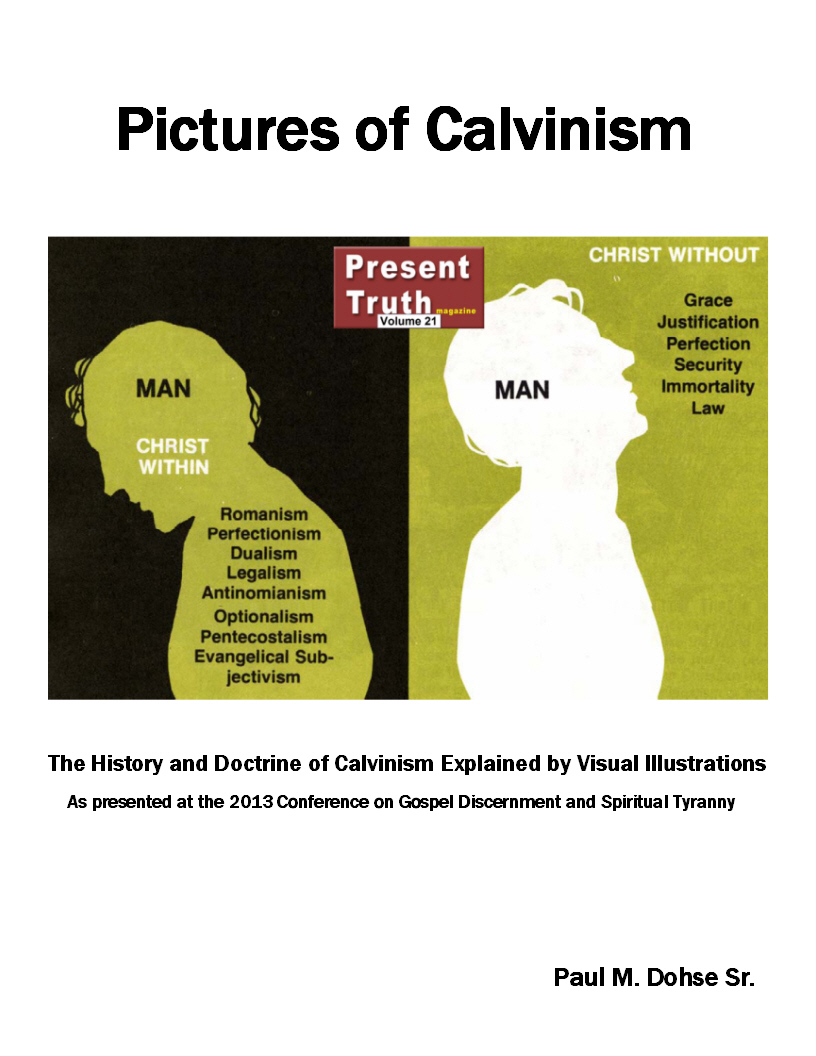
Let me recommend that you then teach them through the following booklet (Click on images to enlarge if necessary):







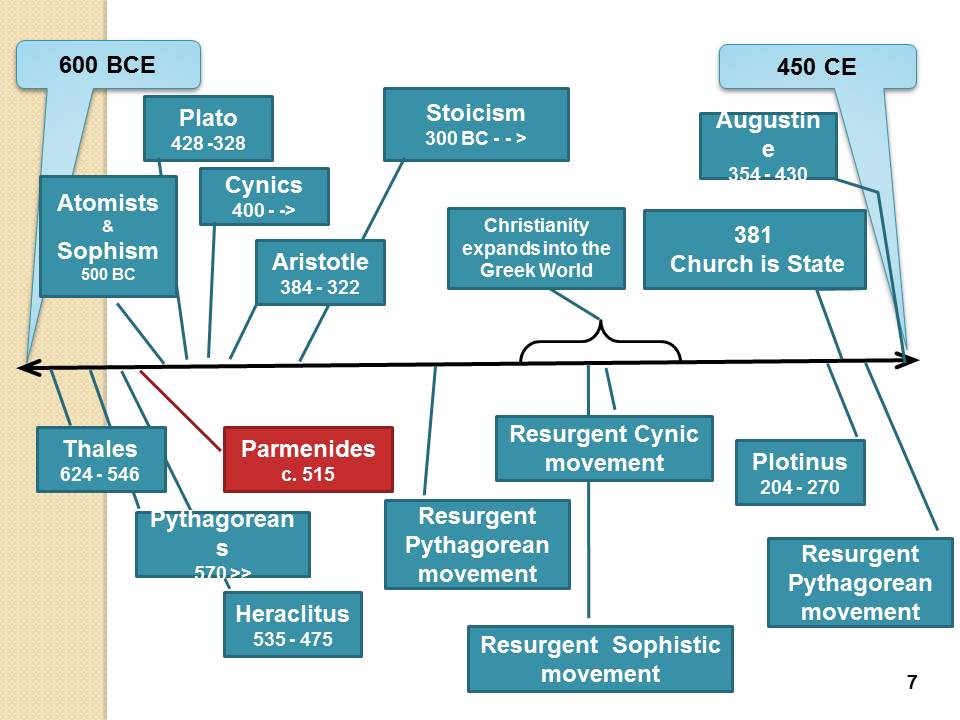
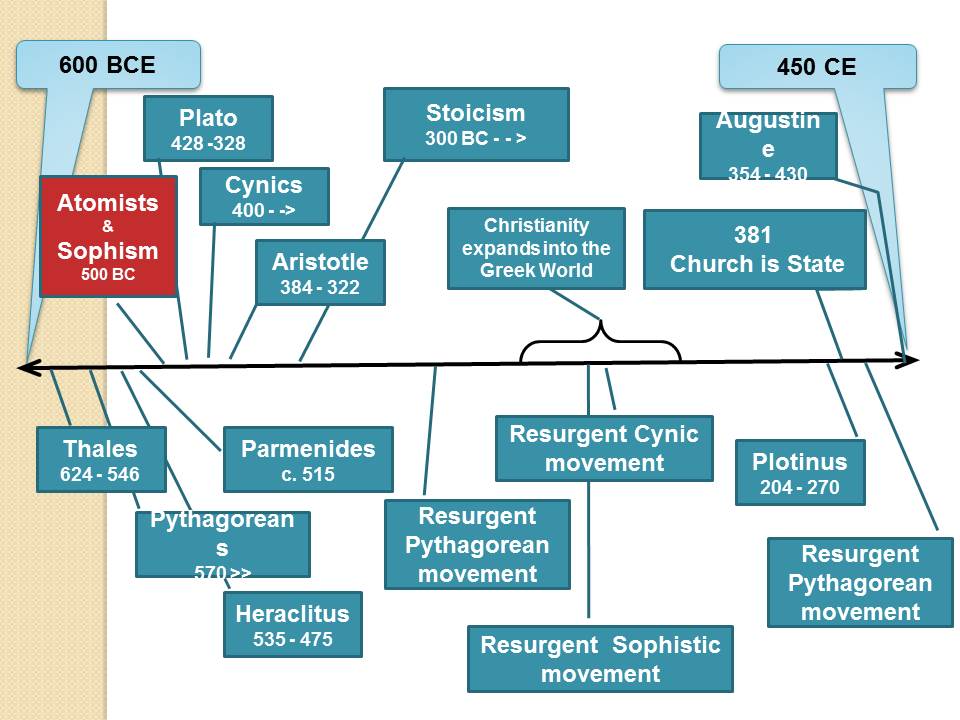
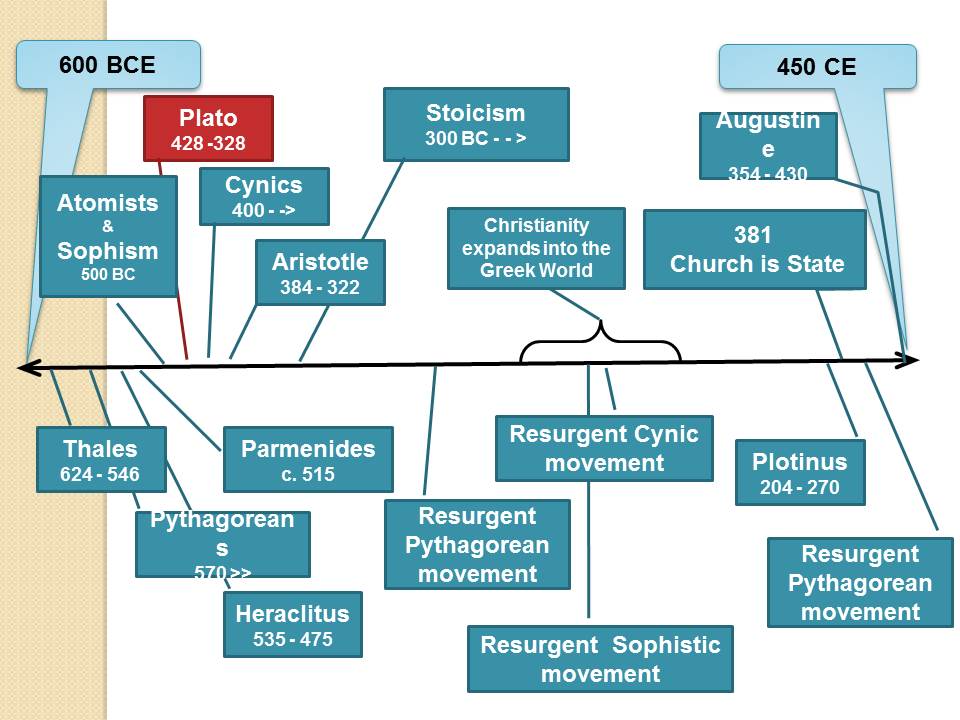
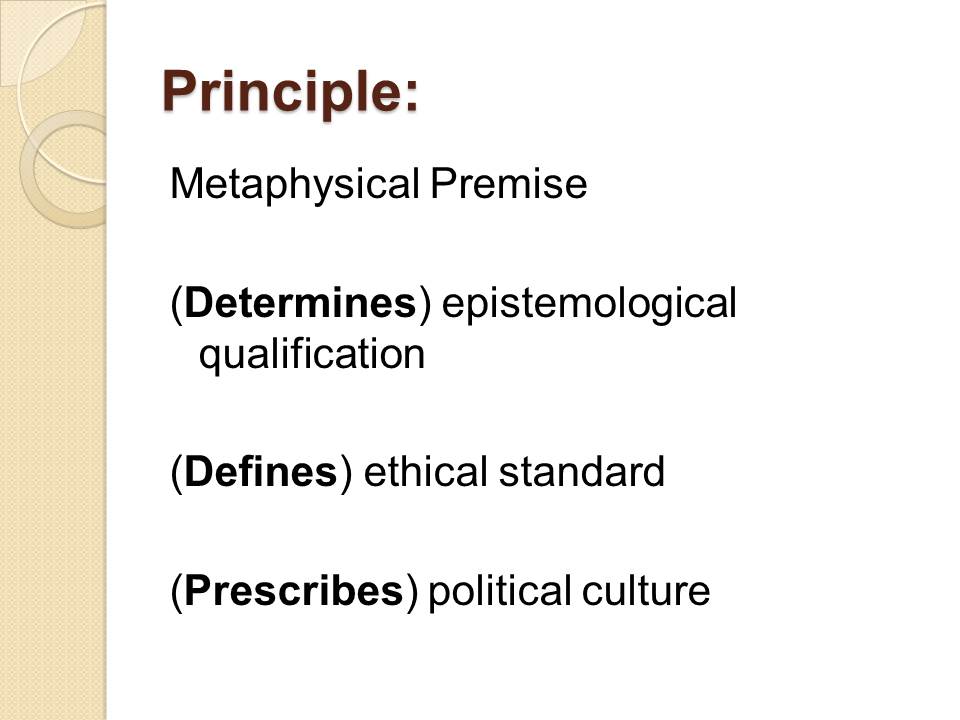
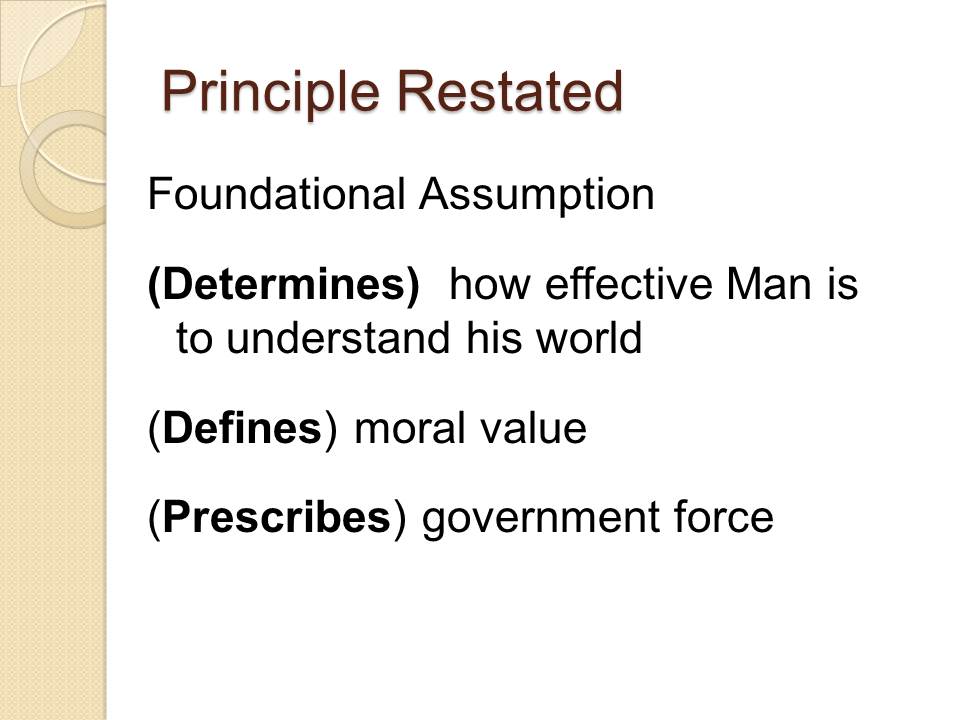
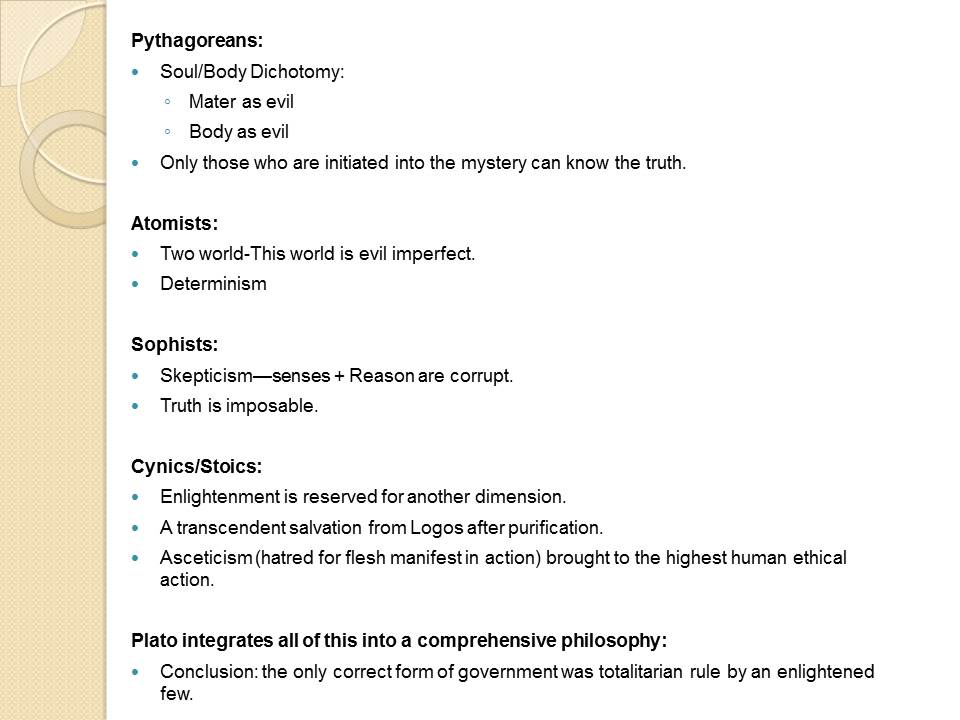
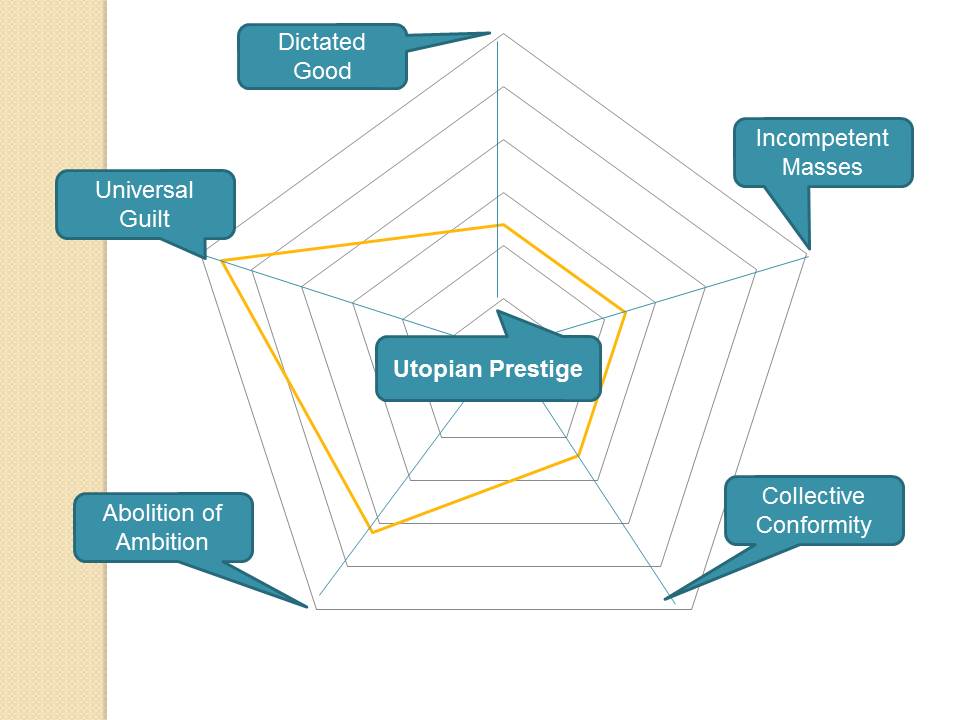
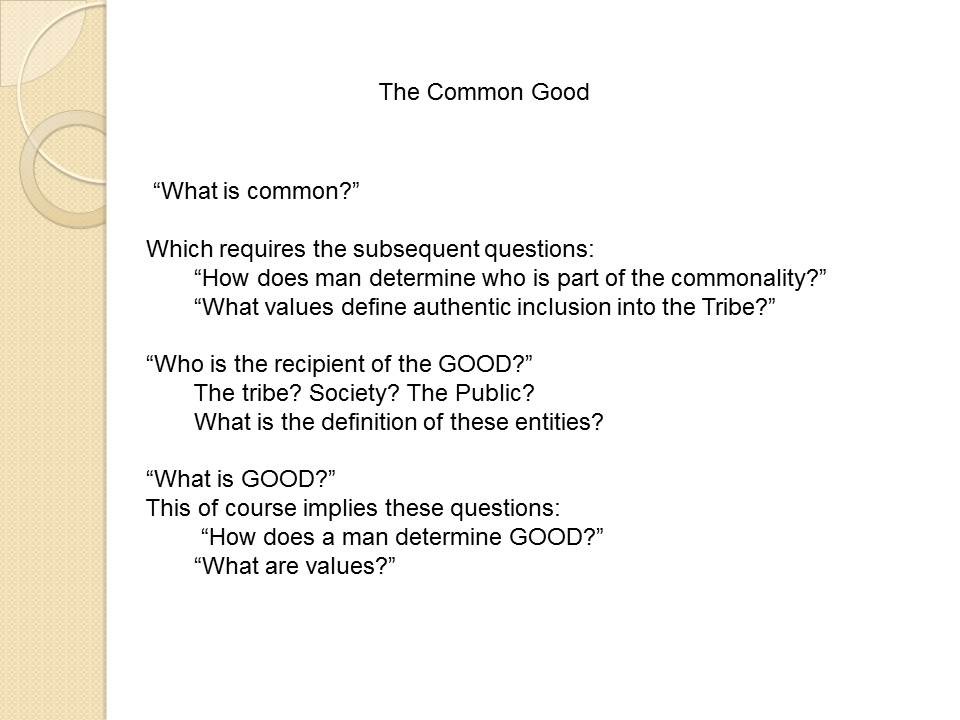
TANC 2013: John Immel; The History of Western Philosophy and Its Societal Impact on the Church

Video link for John Immel’s first session.
Tip: Open two tabs for this post; one for the video link and one for the illustrations. Click on “back” arrow to go back to list of illustrations from enlargement.
Click on Images to Enlarge….
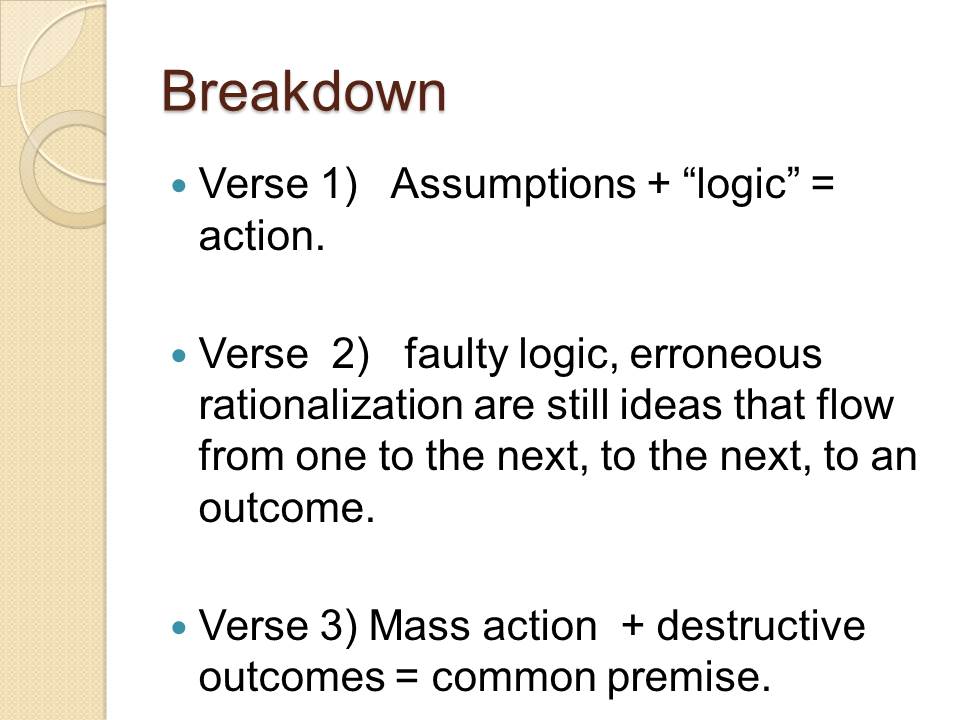
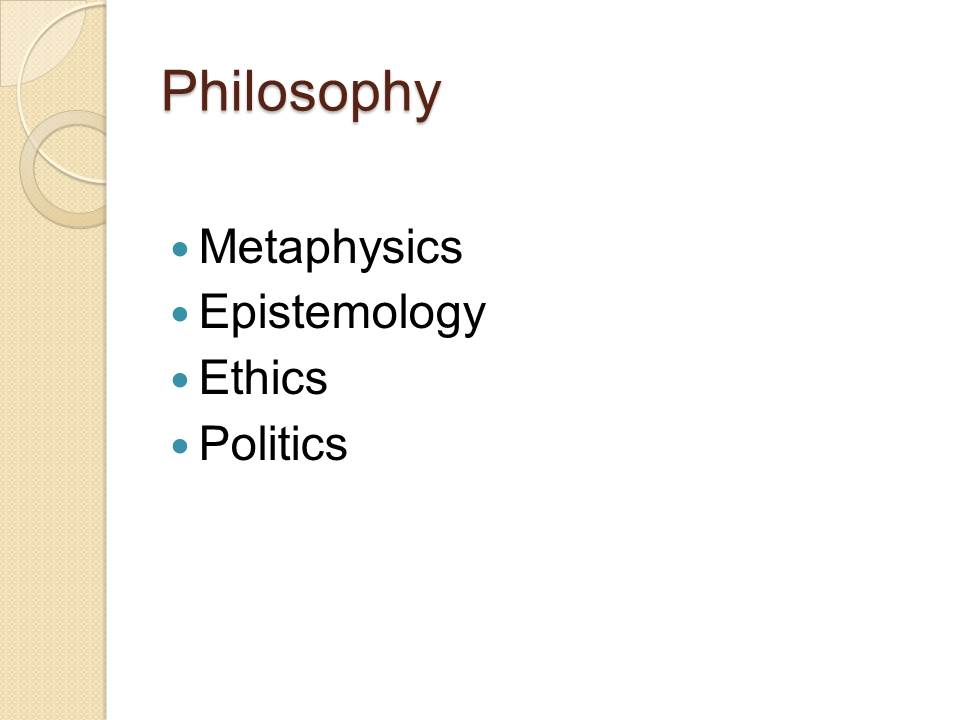
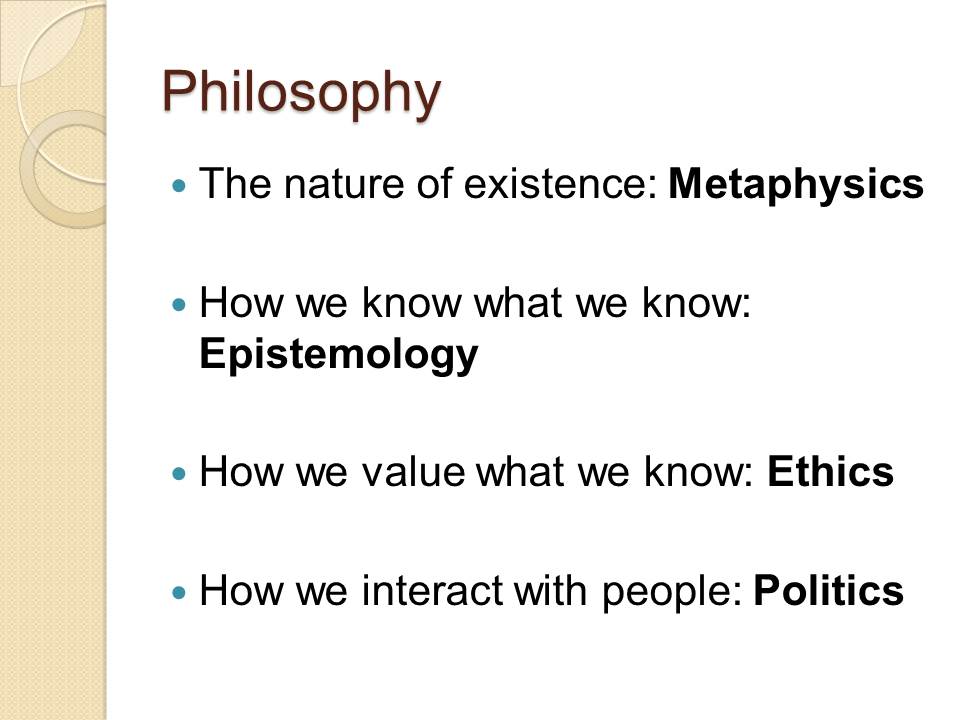
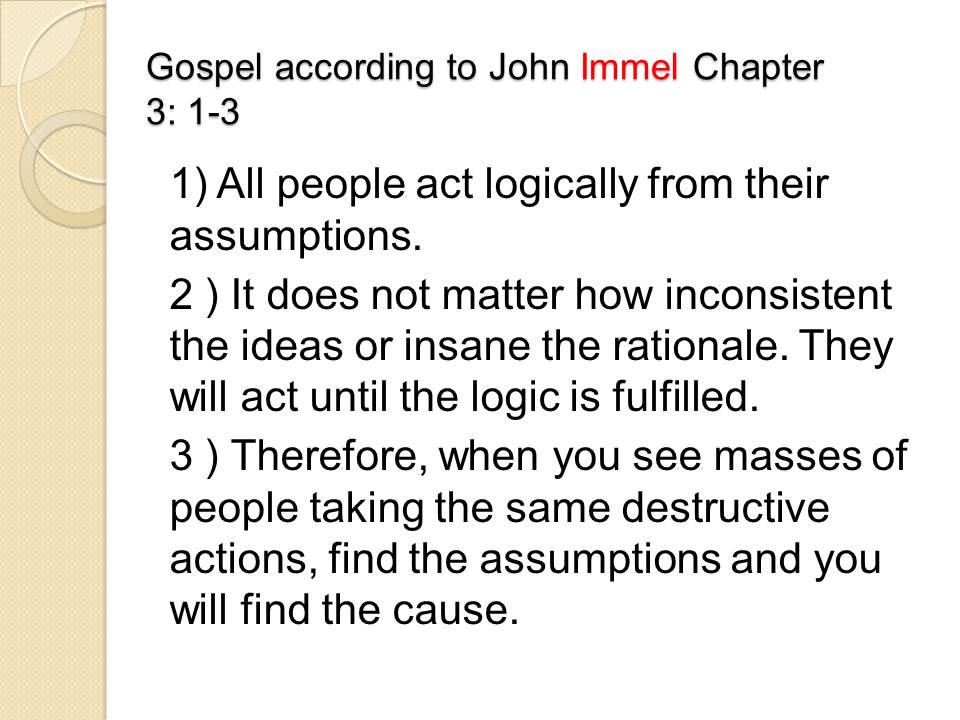
John Immel session 2, part 1 video link.
John Immel session 2, part 2 video link.
John Immel session 2, part 3 video link.
John Immel session 2, part 4 video link.






John Immel session 3 video link.





3 comments