Paul David Tripp Gnosticism
 Paul David Tripp is a leading “Christian” author and well noted in the contemporary biblical counseling movement. Tripp was active in aiding fellow Gnostic David Powlison in hijacking the biblical counseling movement from Reformed grammarians. I use the term “grammarian,” who are few in our day, to differ from redemptive historical interpreters. If a teacher is not identified according to his/her interpretation method of either grammatical or redemptive, it is impossible to know what they are really teaching. You may think you know what they are saying, but you don’t. Depending on which method is being utilized, all basic theological terms, like “new birth” mean different things. To believe you can understand any teacher without knowing their interpretive method is folly. The best way to explain a grammarian is, “words mean things.”
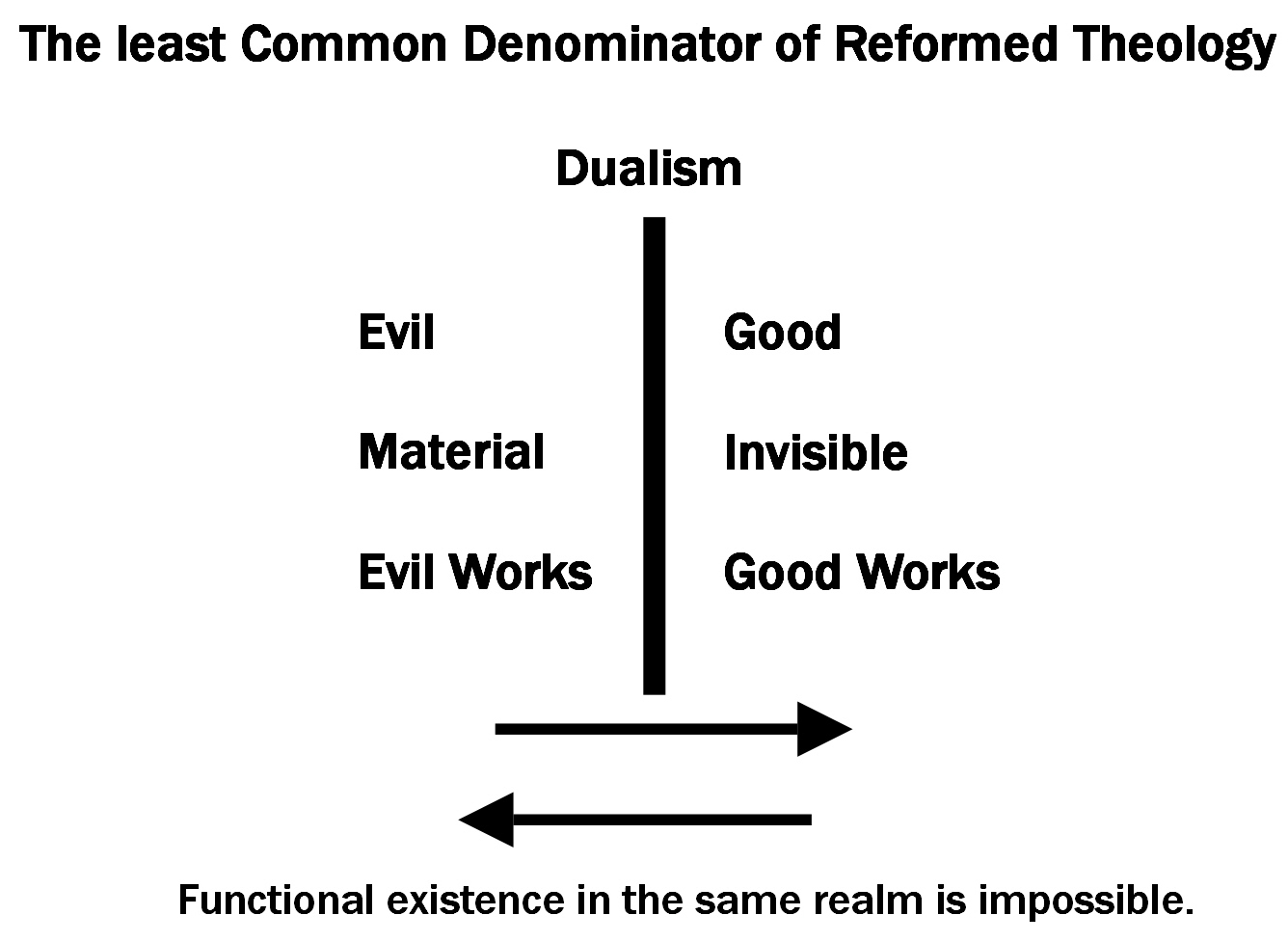
Gnosticism came from Platonism and to state it simply: it is the belief that the material realm is evil and only the spiritual realm is good. In order to find true knowledge, one must obtain it by getting beyond what the five senses can ascertain. Plato believed that the material world is the shadows of the invisible world. Plato also believed that truth is immutable; so, the gateway to truth from the material/evil realm must be something immutable. For Plato, that was math.
The Reformers were not theologians first, they were philosophers first and were embroiled in the debate of that era: Plato or Aristotle? Platonism holds to spiritual caste which proffers the idea that elitist philosophers are preordained to lead the masses who are enslaved to the shadows of reality. They are specially gifted by the force or god of your choice to obtain the “Gnosis.” Determinism is also a major pillar of Platonism.
Hence, Gnosticism can be seen throughout Tripp’s teachings, especially in How People Change. In that book, Tripp attributes a literal interpretation of Scripture to works salvation. He also attributes obedience to something that Christians only experience, but do not really perform; the experience is imputed to the material realm by the Spirit, who is defined more as a realm than a person. Gnosticism can be seen in Tripp’s interpretation of Romans 8:2 and most of Romans 7—“law” is not really “nomos,” a written law, but refers to two different realms: material/evil versus invisible/good.
paul

 Paul's Passing Thoughts
leave a comment